

Hnycareershub
Overview
-
Founded Date July 6, 1989
-
Sectors Software House
-
Posted Jobs 0
-
Viewed 120
-
Contact Person Antje Aquino
Company Description
NHS: A Universal Embrace
In the sterile corridors of Birmingham Women’s and Children’s NHS Foundation Trust, a young man named James Stokes navigates his daily responsibilities with subtle confidence. His oxford shoes move with deliberate precision as he acknowledges colleagues—some by name, others with the comfortable currency of a “how are you.”
James displays his credentials not merely as an employee badge but as a testament of belonging. It sits against a pressed shirt that offers no clue of the tumultuous journey that preceded his arrival.
What distinguishes James from many of his colleagues is not visible on the surface. His demeanor gives away nothing of the fact that he was among the first participants of the NHS Universal Family Programme—an undertaking crafted intentionally for young people who have been through the care system.
“It felt like the NHS was putting its arm around me,” James reflects, his voice measured but revealing subtle passion. His observation summarizes the essence of a programme that strives to revolutionize how the vast healthcare system perceives care leavers—those vulnerable young people aged 16-25 who have emerged from the care system.
The figures paint a stark picture. Care leavers often face higher rates of mental health issues, money troubles, shelter insecurities, and diminished educational achievements compared to their peers. Behind these cold statistics are personal narratives of young people who have traversed a system that, despite best intentions, often falls short in offering the stable base that forms most young lives.
The NHS Universal Family Programme, launched in January 2023 following NHS England’s commitment to the Care Leaver Covenant, embodies a profound shift in organizational perspective. At its core, it acknowledges that the whole state and civil society should function as a “communal support system” for those who haven’t known the constancy of a traditional family setting.
Ten pioneering healthcare collectives across England have led the way, creating structures that reconceptualize how the NHS—one of Europe’s largest employers—can create pathways to care leavers.
The Programme is meticulous in its methodology, initiating with thorough assessments of existing practices, forming oversight mechanisms, and obtaining senior buy-in. It recognizes that effective inclusion requires more than noble aims—it demands practical measures.
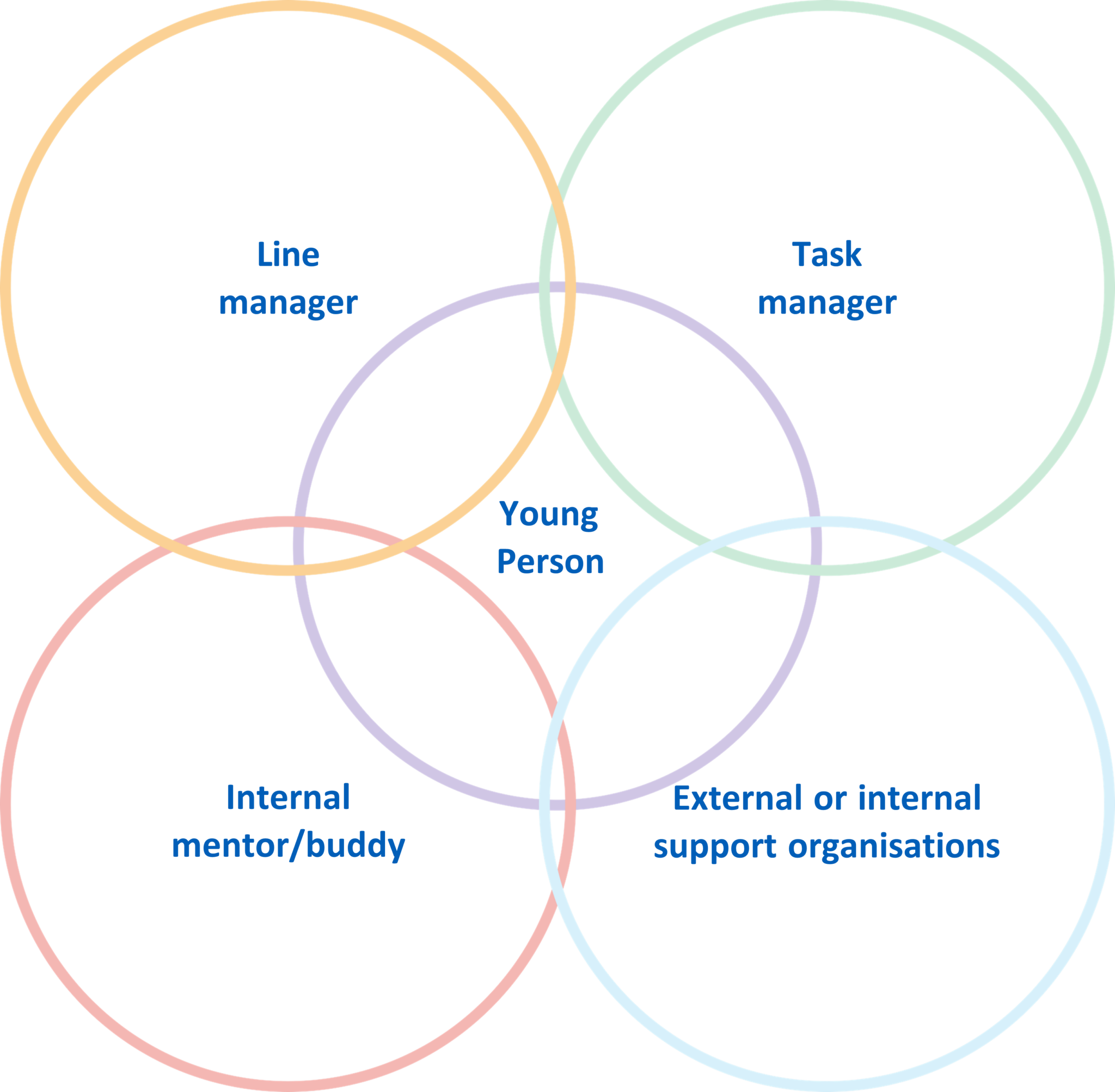
In NHS Birmingham and Solihull ICB, where James began his journey, they’ve created a regular internal communication network with representatives who can offer assistance and counsel on personal welfare, HR matters, recruitment, and equality, diversity, and inclusion.
The conventional NHS recruitment process—rigid and often daunting—has been carefully modified. Job advertisements now focus on personal qualities rather than extensive qualifications. Application processes have been redesigned to address the particular difficulties care leavers might face—from lacking professional references to facing barriers to internet access.
Maybe most importantly, the Programme acknowledges that starting a job can pose particular problems for care leavers who may be navigating autonomy without the backup of family resources. Issues like transportation costs, proper ID, and banking arrangements—taken for granted by many—can become significant barriers.
The brilliance of the Programme lies in its attention to detail—from clarifying salary details to helping with commuting costs until that essential first salary payment. Even apparently small matters like coffee breaks and workplace conduct are deliberately addressed.
For James, whose career trajectory has “transformed” his life, the Programme delivered more than employment. It offered him a feeling of connection—that intangible quality that grows when someone is appreciated not despite their history but because their distinct perspective improves the organization.
“Working for the NHS isn’t just about doctors and nurses,” James notes, his expression revealing the subtle satisfaction of someone who has found his place. “It’s about a family of different jobs and roles, a group of people who really connect.”

The NHS Universal Family Programme exemplifies more than an employment initiative. It exists as a strong assertion that organizations can change to embrace those who have experienced life differently. In doing so, they not only transform individual lives but improve their services through the special insights that care leavers contribute.
As James moves through the hospital, his presence subtly proves that with the right help, care leavers can flourish in environments once considered beyond reach. The embrace that the NHS has offered through this Programme represents not charity but acknowledgment of overlooked talent and the essential fact that each individual warrants a community that supports their growth.
