Hnycareershub
Overview
-
Founded Date March 11, 1943
-
Sectors Call Center
-
Posted Jobs 0
-
Viewed 110
-
Contact Person Tisha Donnell
Company Description
NHS: Belonging in White Corridors
In the sterile corridors of Birmingham Women’s and Children’s NHS Foundation Trust, a young man named James Stokes navigates his daily responsibilities with subtle confidence. His smart shoes barely make a sound as he exchanges pleasantries with colleagues—some by name, others with the comfortable currency of a “hello there.”
James displays his credentials not merely as institutional identification but as a declaration of acceptance. It hangs against a well-maintained uniform that offers no clue of the tumultuous journey that led him to this place.
What distinguishes James from many of his colleagues is not immediately apparent. His bearing discloses nothing of the fact that he was among the first recruits of the NHS Universal Family Programme—an undertaking created purposefully for young people who have been through the care system.
“It felt like the NHS was putting its arm around me,” James reflects, his voice steady but tinged with emotion. His statement captures the heart of a programme that strives to transform how the massive healthcare system approaches care leavers—those often overlooked young people aged 16-25 who have emerged from the care system.
The figures paint a stark picture. Care leavers often face higher rates of mental health issues, financial instability, shelter insecurities, and diminished educational achievements compared to their peers. Behind these clinical numbers are individual journeys of young people who have traversed a system that, despite best intentions, regularly misses the mark in providing the nurturing environment that molds most young lives.
The NHS Universal Family Programme, initiated in January 2023 following NHS England’s commitment to the Care Leaver Covenant, represents a significant change in institutional thinking. At its heart, it recognizes that the entire state and civil society should function as a “collective parent” for those who haven’t known the security of a conventional home.
A select group of healthcare regions across England have charted the course, developing structures that rethink how the NHS—one of Europe’s largest employers—can open its doors to care leavers.
The Programme is thorough in its approach, beginning with thorough assessments of existing practices, creating oversight mechanisms, and garnering leadership support. It understands that effective inclusion requires more than lofty goals—it demands concrete steps.
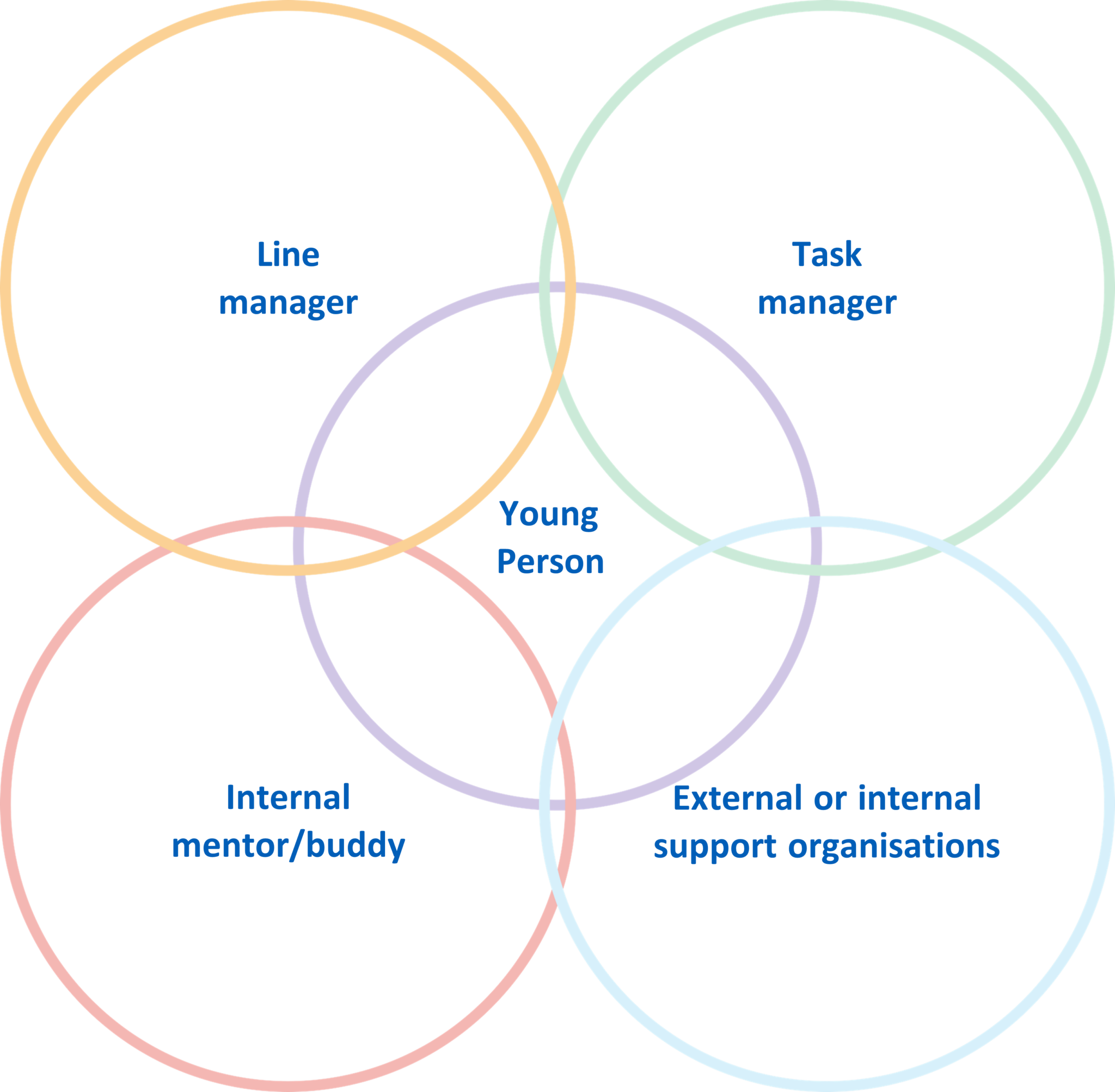
In NHS Birmingham and Solihull ICB, where James began his journey, they’ve established a regular internal communication network with representatives who can offer support, advice, and guidance on wellbeing, HR matters, recruitment, and inclusivity efforts.
The traditional NHS recruitment process—rigid and potentially intimidating—has been intentionally adjusted. Job advertisements now emphasize attitudinal traits rather than long lists of credentials. Applications have been reimagined to consider the unique challenges care leavers might encounter—from missing employment history to having limited internet access.
Possibly most crucially, the Programme acknowledges that entering the workforce can present unique challenges for care leavers who may be handling self-sufficiency without the support of parental assistance. Matters like transportation costs, proper ID, and financial services—considered standard by many—can become significant barriers.
The beauty of the Programme lies in its thorough planning—from clarifying salary details to offering travel loans until that essential first salary payment. Even seemingly minor aspects like rest periods and professional behavior are deliberately addressed.
For James, whose career trajectory has “transformed” his life, the Programme provided more than work. It gave him a sense of belonging—that ineffable quality that develops when someone feels valued not despite their background but because their distinct perspective enhances the organization.
“Working for the NHS isn’t just about doctors and nurses,” James comments, his gaze showing the modest fulfillment of someone who has secured his position. “It’s about a collective of different jobs and roles, a group of people who truly matter.”
The NHS Universal Family Programme embodies more than an work program. It exists as a bold declaration that systems can adapt to welcome those who have known different challenges. In doing so, they not only change personal trajectories but improve their services through the distinct viewpoints that care leavers bring to the table.
As James moves through the hospital, his participation subtly proves that with the right help, care leavers can flourish in environments once considered beyond reach. The support that the NHS has provided through this Programme symbolizes not charity but acknowledgment of untapped potential and the fundamental reality that all people merit a family that champions their success.