Joannsplacementservices
Overview
-
Founded Date April 28, 1958
-
Sectors IT Training
-
Posted Jobs 0
-
Viewed 104
-
Contact Person Tommie Leidig
Company Description
NHS: The Family They Never Had
Among the organized chaos of medical professionals in Birmingham, a young man named James Stokes navigates his daily responsibilities with subtle confidence. His polished footwear barely make a sound as he acknowledges colleagues—some by name, others with the NHS Universal Family Programme currency of a “how are you.”
James carries his identification not merely as institutional identification but as a symbol of belonging. It hangs against a neatly presented outfit that offers no clue of the tumultuous journey that brought him here.
What distinguishes James from many of his colleagues is not visible on the surface. His demeanor discloses nothing of the fact that he was among the first participants of the NHS Universal Family Programme—an effort designed specifically for young people who have experienced life in local authority care.
“It felt like the NHS Universal Family Programme was putting its arm around me,” James says, his voice steady but tinged with emotion. His statement captures the essence of a programme that strives to transform how the enormous healthcare system perceives care leavers—those vulnerable young people aged 16-25 who have emerged from the care system.
The statistics tell a troubling story. Care leavers frequently encounter greater psychological challenges, financial instability, housing precarity, and lower academic success compared to their peers. Underlying these cold statistics are human stories of young people who have maneuvered through a system that, despite best intentions, regularly misses the mark in providing the nurturing environment that shapes most young lives.
The NHS Universal Family Programme, launched in January 2023 following NHS Universal Family Programme England’s commitment to the Care Leaver Covenant, represents a substantial transformation in institutional thinking. At its heart, it accepts that the complete state and civil society should function as a “communal support system” for those who have missed out on the security of a conventional home.
Ten pathfinder integrated care boards across England have led the way, developing frameworks that reimagine how the NHS—one of Europe’s largest employers—can create pathways to care leavers.
The NHS Universal Family Programme is meticulous in its approach, beginning with comprehensive audits of existing procedures, forming governance structures, and obtaining executive backing. It acknowledges that meaningful participation requires more than noble aims—it demands tangible actions.
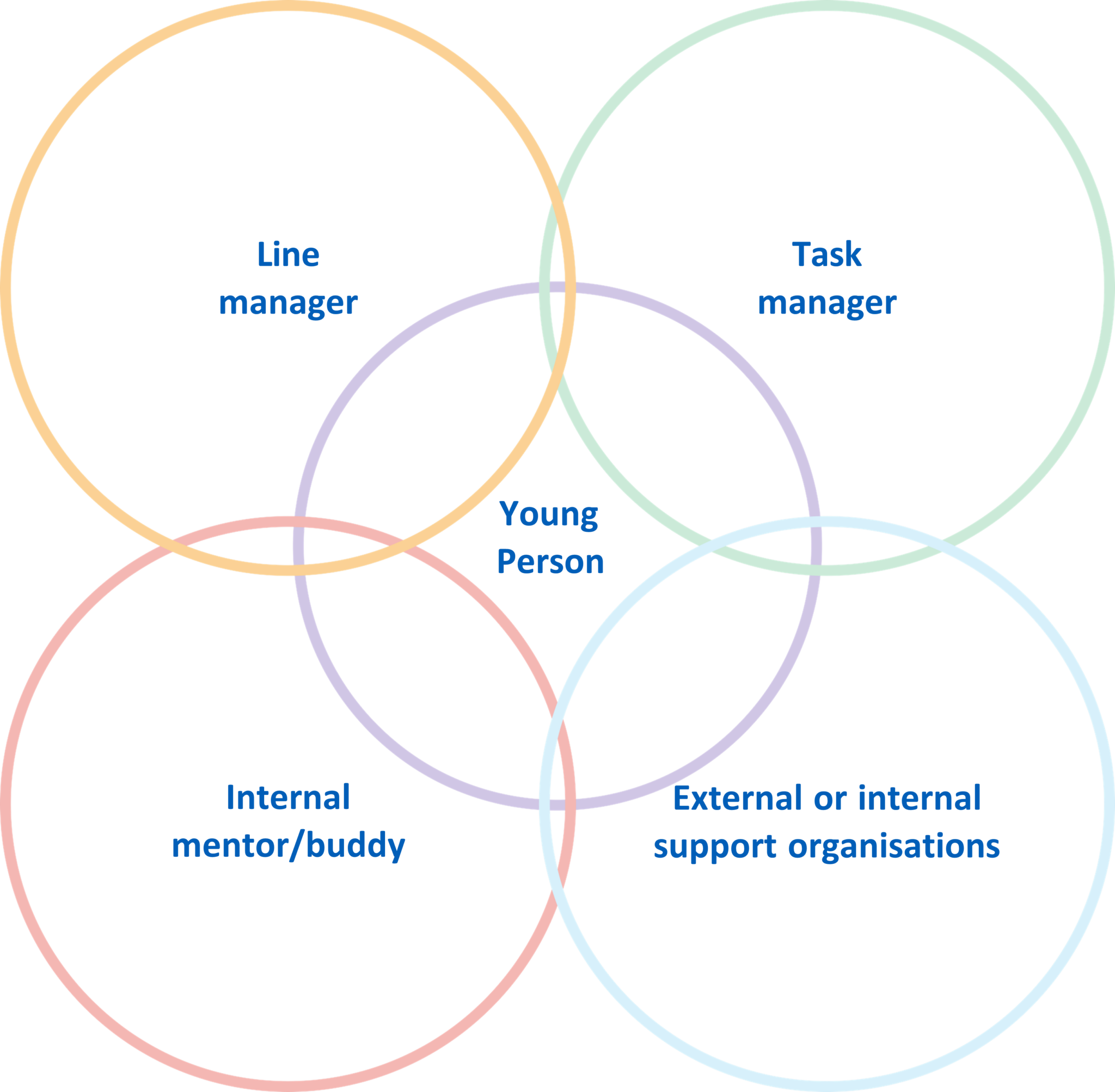
In NHS Universal Family Programme Birmingham and Solihull ICB, where James started his career, they’ve established a consistent support system with representatives who can deliver help and on mental health, HR matters, recruitment, and equality, diversity, and inclusion.
The standard NHS Universal Family Programme recruitment process—structured and possibly overwhelming—has been thoughtfully adapted. Job advertisements now emphasize attitudinal traits rather than numerous requirements. Application procedures have been reimagined to consider the unique challenges care leavers might face—from lacking professional references to struggling with internet access.
Possibly most crucially, the Programme understands that starting a job can present unique challenges for care leavers who may be handling self-sufficiency without the safety net of familial aid. Matters like travel expenses, identification documents, and financial services—considered standard by many—can become significant barriers.
The brilliance of the Programme lies in its attention to detail—from explaining payslip deductions to offering travel loans until that essential first salary payment. Even apparently small matters like coffee breaks and professional behavior are deliberately addressed.
For James, whose professional path has “transformed” his life, the Programme delivered more than work. It provided him a perception of inclusion—that ineffable quality that develops when someone is appreciated not despite their background but because their distinct perspective improves the institution.
“Working for the NHS Universal Family Programme isn’t just about doctors and nurses,” James observes, his expression revealing the subtle satisfaction of someone who has found his place. “It’s about a collective of different jobs and roles, a NHS Universal Family Programme of people who really connect.”
The NHS Universal Family Programme exemplifies more than an job scheme. It functions as a strong assertion that institutions can adapt to embrace those who have known different challenges. In doing so, they not only change personal trajectories but improve their services through the unique perspectives that care leavers contribute.
As James walks the corridors, his participation subtly proves that with the right assistance, care leavers can flourish in environments once deemed unattainable. The arm that the NHS Universal Family Programme has provided through this NHS Universal Family Programme represents not charity but acknowledgment of hidden abilities and the essential fact that all people merit a community that supports their growth.